Explore the Benefits of Hiring a Commercial General Contractor for Smooth Construction Management
Hiring a commercial general contractor can significantly alter the way construction is managed. Their skill set makes certain that projects are meticulously planned and completed accurately. By improving communication among all stakeholders, they encourage a collaborative environment. Furthermore, their experience in managing budgets effectively and risk mitigation is essential. However, the real scope of their impact often goes beyond these basics, showing profound benefits that can redefine project success.
Expertise in Project Management
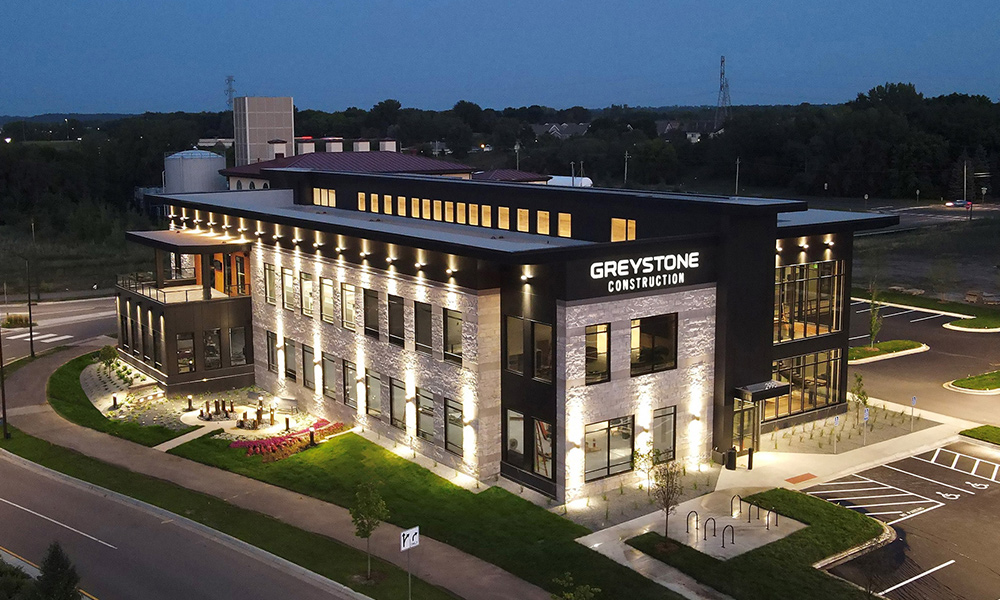
When a commercial general contractor possesses expertise in project management, they can efficiently supervise the entire construction process, making sure that timelines and budgets are adhered to. Their proficiency allows them to coordinate different facets of the project, from scheduling and planning to resource allocation. With a sharp grasp of construction methodologies and industry regulations, they can predict future difficulties and implement solutions proactively.
This expertise also enables them to manage subcontractors and suppliers efficiently, guaranteeing everyone understands their duties and obligations. By utilizing project management tools and techniques, they ensure transparency of progress, enabling necessary changes when necessary. Their ability to analyze data and metrics makes certain that projects remain on track, minimizing delays and cost overruns. Ultimately, a contractor's project management skills contribute greatly to the overall success of construction endeavors, delivering excellent finishes and satisfied clients.
Better Communication Among Stakeholders
Effective communication among stakeholders is vital for the success of any commercial construction project, as it encourages cooperation and shared purpose. A commercial general contractor serves as the main liaison between multiple entities, including architects, engineers, and clients. This unified communication strategy simplifies how information moves, making sure that all stakeholders are informed of project updates, timelines, and possible issues.
By facilitating regular meetings and utilizing project management tools, the contractor improves clarity and reduces confusion. Stakeholders are inclined to raise issues and give feedback when they believe their views are respected. Additionally, effective communication often leads to rapid issue resolution, cutting down on delays and interruptions.
In the end, hiring a construction manager not only improves communication but also fosters stronger relationships among involved parties, forming a collaborative setting that is supportive of successful results.
Managing the Budget Effectively
Successful budget management is vital for ensuring that building endeavors stay within financial constraints and fulfill their aims. A general contractor is instrumental in supervising and controlling project expenditures - Hickory top rated Commercial General Contractor. By supplying accurate cost projections and constant budget tracking, they are crucial in avoiding budget overruns. Effective contractors use their professional experience to find ways to save money, like negotiating supplier prices or streamlining resource use
Furthermore, they establish comprehensive financial reporting, enabling stakeholders to track expenses carefully and make informed decisions. This proactive approach to budget management not only enhances accountability but also fosters transparency among all involved parties. Furthermore, through thorough preparation and strategic foresight, general contractors are able to predict financial difficulties and devise contingency plans, ensuring that projects maintain their financial course. In the end, sound financial control by a commercial general contractor is essential for the final success of building efforts
Improving Timelines and Minimizing Delays
While unexpected issues may occur during construction projects, hiring a general contractor greatly enhances time efficiency and minimizes delays. These professionals are highly experienced and a deep understanding of construction processes, enabling them to anticipate potential issues before they become serious. Their strong connections with subcontractors and suppliers allow for rapid acquisition of materials and services, shortening delays.
Moreover, commercial general contractors are skilled schedulers, ensuring that all project phases advances without issue and on time. They use project management software to monitor timelines and organize tasks, which helps streamline workflows. By handling issues quickly and promptly, they reduce idle time and keep the project on track. Additionally, their expertise in maneuvering through regulatory requirements avoids regulatory holdups. In the end, the expert management offered by a GC leads to a more streamlined construction process, allowing projects to be completed within the set schedule.
Quality Control and Oversight
Quality assurance and supervision are key considerations in the hiring of a commercial general contractor. Adopting stringent guidelines and processes, in addition to regular inspection procedures, guarantees that projects meet the desired specifications. Moreover, effective management of a qualified staff greatly helps to ensuring excellent quality during the building phase.
Stringent Guidelines and Procedures
In the process of selecting a commercial building contractor, being aware of their stringent guidelines and processes for quality assurance and oversight is essential. These guidelines are intended to maintain high construction quality and guarantee compliance with sector rules. Building firms utilize detailed protocols that specify required materials, workmanship, and safety measures, ensuring that every aspect of the project meets predefined benchmarks. This focus on superiority not only minimizes errors but also lessens the chance of pricy corrections. Moreover, general contractors often establish clear communication channels with every involved entity, promoting teamwork and transparency across the entire project duration. By following these strict procedures, general commercial contractors provide peace of mind, knowing that the project will be performed smoothly and to the highest standards of quality.
Regular Review Procedures
To guarantee that construction projects reach peak performance, commercial general contractors implement consistent inspection processes as a critical component of their quality management and assurance measures. These processes involve periodic evaluations at multiple project steps, ensuring that materials, workmanship, and overall compliance with project specifications are meticulously evaluated. By following established inspection schedules, contractors are able to detect issues promptly, minimizing costly rework and delays. Moreover, thorough checks encourage ownership among vendors and sub-trades, as they are required to adhere to rigorous quality criteria. This structured approach not only enhances the overall integrity of the project but also assures investors, knowing that their investment is supported by a dedication to quality throughout the construction process.
Skilled Workforce Management
A skilled workforce is crucial for upholding high standards in construction projects, as it has a clear effect on quality key resource management and assurance efforts. Efficient oversight of this workforce guarantees that each team member is well-trained and holds the essential knowledge to complete their jobs smoothly. A general contractor specializing in commercial projects usually implements rigorous hiring processes to select qualified workers, promoting a standard of accountability and excellence. Furthermore, regular professional development enable workers to stay updated on the latest construction techniques and safety protocols. Through the enforcement of strict quality assurance protocols, the contractor can evaluate execution and quickly resolve any problems, guaranteeing that the final output meets or exceeds client expectations. In conclusion, expert labor coordination is a key foundation of successful construction projects.
Having a Roster of Reliable Subcontractors
Maintaining a roster of reliable subcontractors is vital for a commercial general contractor. Robust industry ties allow the GC to select skilled professionals who meet quality assurance standards necessary for favorable outcomes. This network boosts operational speed but also guarantees that the work adheres to elevated performance criteria.
Robust Industry Ties
In the process of managing the complexities of a construction project, having established industry connections substantially strengthens a contractor's ability to deliver quality results. A commercial general contractor often maintains a solid base of reliable subcontractors, suppliers, and industry professionals. This network not only facilitates seamless collaboration but also guarantees that the best talent is available for every phase of the construction. Access to seasoned subcontractors allows the contractor to select specialists who are highly knowledgeable in their fields, which can lead to greater productivity and excellent construction standards. Furthermore, these connections allow the GC to arrange beneficial conditions and timelines, which effectively accelerates the construction process. Fundamentally, established industry connections are a key advantage that improves construction delivery and client satisfaction.
Strict Performance Criteria

Quality assurance standards are critically important in the construction process, as they ensure that work satisfies specified requirements and keep superior standards of output. A commercial general contractor offers extensive expertise and oversight, making certain that construction adheres to these strict requirements. By leveraging a network of reliable subcontractors, they can select skilled professionals who perform exceptionally in their fields, further enhancing the overall quality of the project. This collaborative approach encourages ownership among subcontractors, as they are aware of the expectations set forth by the general contractor. Moreover, regular inspections and assessments allow us to find potential issues early, cutting down on costly setbacks and making sure the outcome meets the standards of the defined scope and safety protocols.
Managing Risks and Resolving Issues
Successful hazard reduction and issue resolution are essential components in the role of a commercial general contractor, as they handle the challenges of construction projects. Through comprehensive risk evaluations, they pinpoint possible problems that could occur while the project is underway, including hold-ups, exceeding the budget, and dangerous conditions.
By putting proactive plans into action, they create backup strategies that limit setbacks and ensure the work proceeds smoothly. Should unanticipated issues surface, a capable professional acts fast, applying novel approaches to resolve difficulties without sacrificing the project's duration or excellence.
Furthermore, their expertise enables them to anticipate typical problems, helping them to coordinate well with subcontractors, suppliers, and clients to align expectations and resolve conflicts. Crucially, a general contractor's capacity to handle hazards and resolve issues boosts productivity but also protects the project's final outcome, promoting a safer and more regulated job site.
FAQ
What Credentials Should I Seek in a Building Contractor?
When choosing a CGT, it is important to evaluate their history, relevant licensing and certifications, strong organizational capabilities, effective ways of interacting, a solid reputation, and a thorough understanding of construction regulations and safety protocols.
What Is the Process for Selecting the Ideal Contractor for My Project?
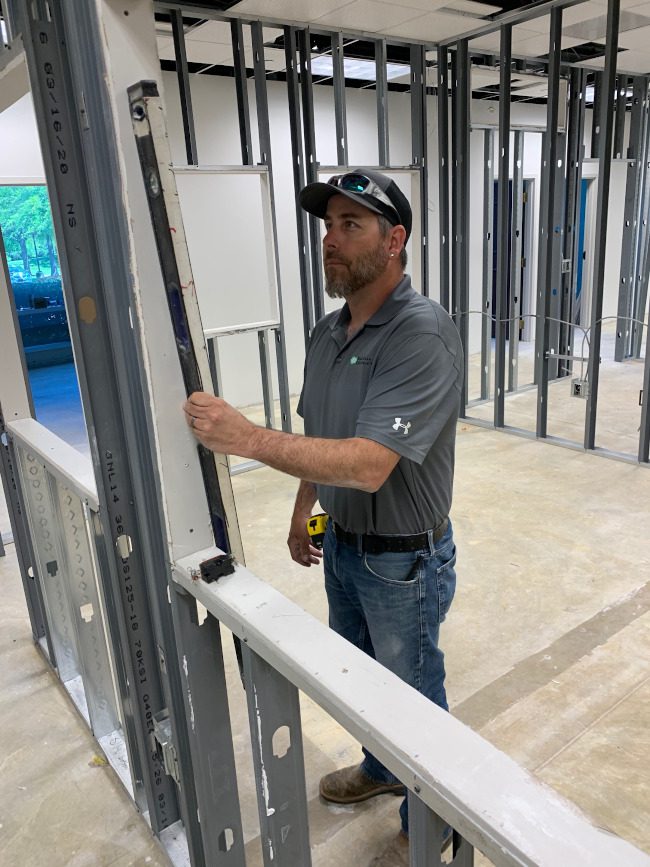
To select the ideal builder for the job, it is necessary to review their history, references, licensing, insurance, communication style, and past project portfolios, ensuring they align with the specific needs and goals of the undertaking.
What Types of Projects Do Commercial General Contractors Typically Handle?
Commercial general contractors typically handle many different types of jobs, including office buildings, retail spaces, warehouses, restaurants, and industrial facilities. They manage construction processes, ensuring adherence to timelines, budgets, and quality standards in various industries.
What Effect Does Employing a CGT Have On My Final Project Budget?
Using a builder may first elevate the total cost due to management fees. However, their expertise often leads to efficiencies, cost savings, and fewer errors, resulting in the job being completed more affordably and on schedule.
Will a General Contractor Handle Licensing and Legal Documentation?
A construction manager can provide significant help with obtaining permits and overseeing regulatory compliance (Hickory top rated Commercial General Contractor). Their specialized skill set upholds alignment with area-specific rules, lessening the possibility of pricy holdups and financial penalties, ultimately streamlining the building workflow for the build